One of the modern learning approaches is flipped learning which encourages learner autonomy. After discussing with my teammates, all of us can find out both the benefits and drawbacks of this type of learning.
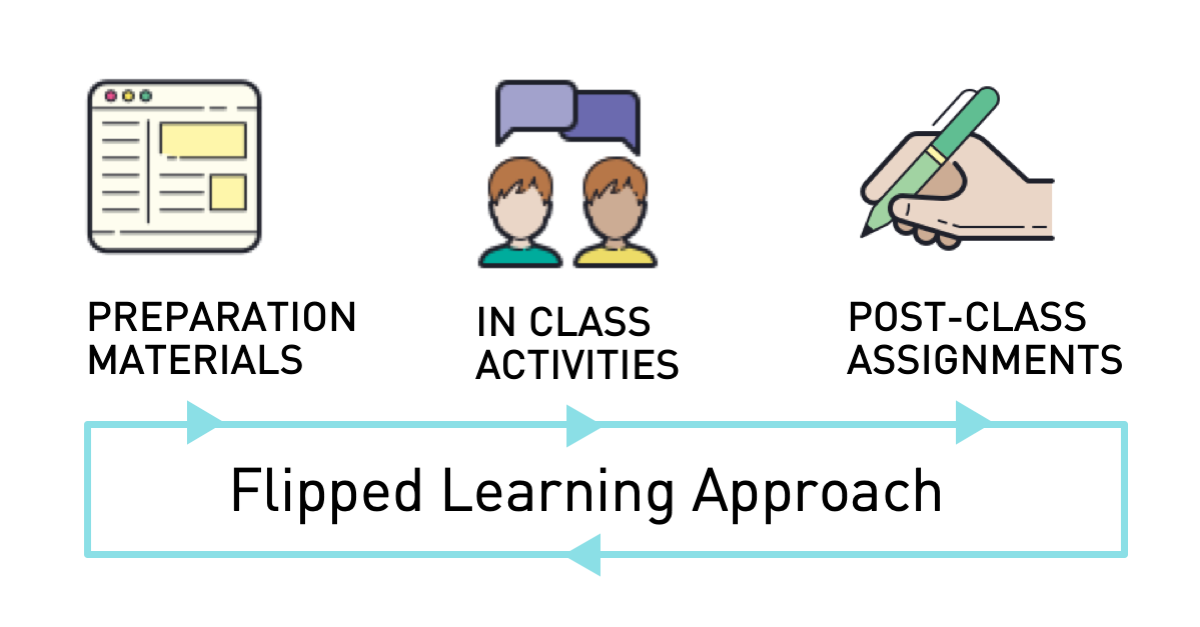
In terms of advantages, flipped learning helps learners a lot. It assists peer-to-peer interaction and collaborative learning during class time. Students are able to take control of their own learning pace and style, accessing and engaging with the material independently. Classroom time is used for interactive, hands-on activities such as discussions, problem-solving, and projects that deepen understanding.
However, we can see that in the Vietnamese education system, it is so challenging to apply flipped learning because of the low level of students and the lack of learning facilities. Additionally, we know that the current assessment system in Vietnam is heavily based on standardized testing, which may not align with the learning outcomes promoted by flipped learning. This could create a mismatch between teaching methods and evaluation. Moreover, parents may not be familiar with or supportive of the flipped learning approach, potentially leading to resistance and lack of support at home for students’ independent study. Finally, effective implementation of flipped learning requires teachers to be well-trained in creating and using digital resources and facilitating active learning in the classroom. This may require substantial professional development.